The Case for Staying Put: How Strategic Enterprises Are Turning Legacy Infrastructure Into a Competitive Weapon

The modernization imperative has become one of the most aggressively marketed ideas in enterprise technology. Consulting firms build practices around it. Software vendors structure their pricing to accelerate it. Conference keynotes treat it as the only responsible path forward for any organization that takes its digital future seriously. The message, repeated with enough authority and frequency, has acquired the status of received wisdom: legacy systems are anchors, and the only way to move fast is to cut them loose.
A closer examination of enterprise outcomes over the past several years suggests this narrative is incomplete at best and actively harmful at worst.
What the Modernization Industry Doesn't Measure
Wholesale digital transformation projects fail at a rate that should give any executive pause. Depending on the study and the definition of failure applied, estimates range from thirty to seventy percent of large-scale transformation initiatives failing to deliver their projected value. The organizations that greenlight these projects are not naive — they have access to the same data. Yet the projects proceed because the alternative, defending the status quo in a room full of people invoking competitive disruption, feels professionally untenable.
What rarely enters the conversation is the opportunity cost of transformation itself. A major migration or replatforming effort does not merely consume budget — it consumes the attention, energy, and political capital of the technical and business leadership responsible for executing it. During the two or three years a large enterprise spends dismantling and replacing its core systems, the teams involved are not building new capabilities, entering new markets, or improving the customer experience. They are, in the most literal sense, running in place.
The competitors who exploit that window are sometimes the cloud-native startups that modernization advocates invoke as cautionary tales. But they are just as often the established enterprises that decided their legacy systems were stable enough to leave alone while they invested their transformation energy elsewhere.
The Mainframe That Wouldn't Die — And Shouldn't
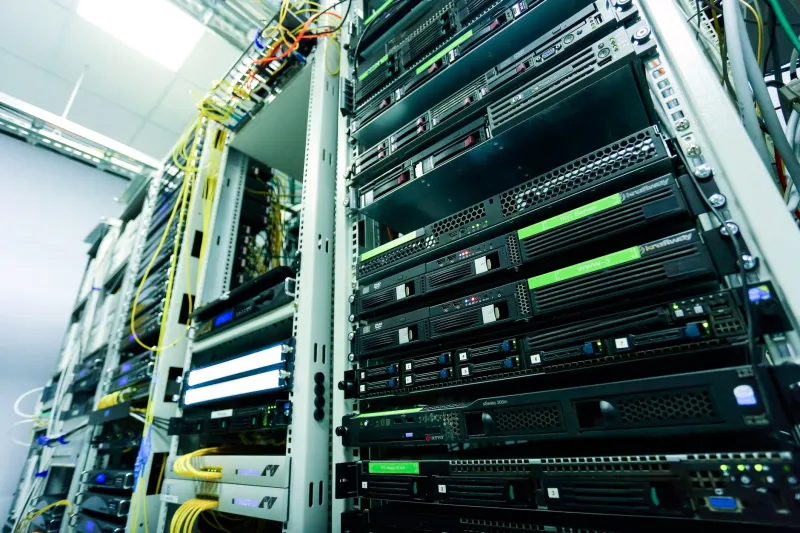
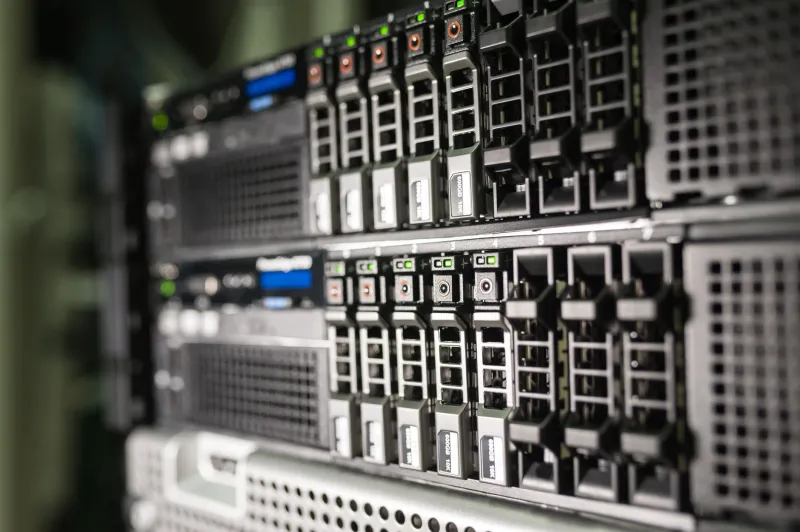
Consider the persistence of mainframe computing in American financial services. By the logic of the modernization consensus, the major retail banks and insurance carriers that still run core transaction processing on IBM Z-series hardware should have been disrupted into irrelevance by now. They have not been, and the reasons are instructive.
Mainframe systems in financial services environments process transactions with reliability characteristics that distributed cloud architectures have not consistently matched for equivalent workloads. The five-nines availability that these institutions require for payment processing, account reconciliation, and regulatory reporting is not a theoretical specification — it is a contractual and legal obligation. Organizations that attempted aggressive mainframe migrations in the 2010s frequently discovered that the replacement architecture could not sustain the required reliability under peak load conditions, and several undertook costly reversals.
The institutions that instead chose to wrap their mainframe cores with modern API layers, expose those capabilities to cloud-native front-end applications, and invest modernization capital in customer-facing and analytical systems have, in many cases, delivered superior customer experiences faster than competitors who were occupied with infrastructure replacement. The legacy system became an asset precisely because it was stable enough to serve as a foundation rather than a project.
Selective Modernization as Deliberate Strategy
The distinction that matters is not between legacy and modern — it is between systems that are stable and fit for purpose and systems that are genuinely constraining the business. These are not the same population, and treating them as such produces decisions that are expensive and unnecessary.
A manufacturing enterprise operating enterprise resource planning software that was implemented fifteen years ago faces a real question when evaluating modernization. If the ERP system reliably manages inventory, production scheduling, and supplier relationships at the required scale, the case for replacement rests almost entirely on the argument that a newer system would do those things better. That argument may be true. It may also be true that the migration would consume eighteen months of implementation effort, require retraining hundreds of users, and introduce significant operational risk during the transition — while the newer system delivers incremental rather than transformational improvements to core function.
The strategic alternative is to accept the ERP system as a stable core and invest modernization resources in the surrounding layers: the analytics capabilities that extract value from ERP data, the integration interfaces that connect ERP to e-commerce and customer service platforms, and the reporting tools that make ERP data accessible to business users who currently depend on manual extracts. This approach delivers measurable business value faster, carries lower execution risk, and preserves the institutional knowledge embedded in the existing system's configuration and workflows.
Enterprises that have pursued this model — often working with technology partners experienced in integration architecture and API design, including firms with roots in Taiwan's enterprise software ecosystem — consistently report that the return on incremental modernization exceeds the return on replacement projects of comparable investment.
When Legacy Becomes Genuine Liability
None of this is an argument for technological conservatism as a universal posture. Legacy systems that are actively constraining the business — that cannot be integrated with modern tools, that are maintained by a dwindling pool of specialists with no succession plan, or that carry security vulnerabilities that cannot be patched without replacement — represent genuine liabilities that responsible leadership must address.
The analytical discipline required is specificity. Rather than asking whether a system is legacy, enterprise technology leaders should ask whether the system's limitations are currently impeding specific, measurable business outcomes. If the answer is yes, modernization is justified. If the answer is that the system works reliably and the pressure to replace it comes primarily from vendor sales cycles or internal anxiety about appearing current, the case for replacement is far weaker than it typically appears in the planning documents.
Redefining Competitive Agility
The enterprises that are winning with legacy infrastructure are not doing so by accident. They have made a deliberate strategic choice to define agility differently — not as the ability to run on the newest platforms, but as the ability to direct innovation resources toward the capabilities that actually differentiate them in their markets.
A retailer that maintains a stable, well-understood inventory management system and invests its technology budget in demand forecasting and personalization has made a rational trade. A logistics company that preserves its proven routing optimization platform and builds modern customer visibility tools on top of it has done the same.
The modernization industry will continue to argue that every legacy system is a ticking clock. The evidence suggests the reality is considerably more nuanced — and that the enterprises willing to resist the narrative, and make hard-headed decisions about where transformation actually creates value, are the ones most likely to emerge from the current period of technological change with their competitive positions intact.